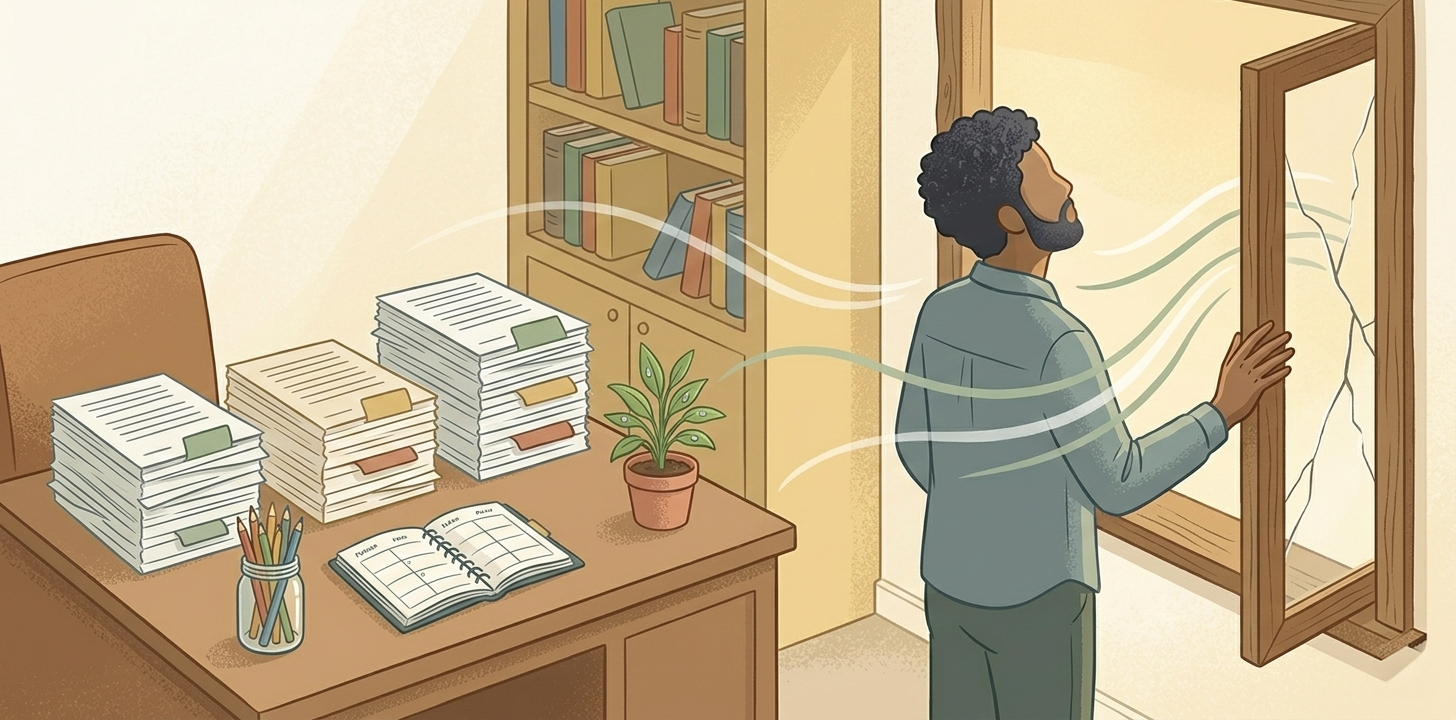
Stress Management Worksheet
Take a structured look at your stress | identify the sources, understand your patterns, and build a plan to manage it.
Take a structured look at your stress | identify the sources, understand your patterns, and build a plan to manage it.
What's causing stress in your life right now? Name the specific sources.
How do you typically respond to stress? Understanding your patterns is key to changing them.
What are you already doing to manage stress? Some strategies help, some make things worse.
Be honest | no judgment. Awareness is the first step.
Build a specific plan for the coming week.
Stress management starts with understanding what you're dealing with. Research by the American Psychological Association shows that chronic, unmanaged stress contributes to nearly every major health problem | from heart disease and weakened immunity to anxiety, depression, and cognitive decline.
The paradox of stress is that we're often too stressed to think clearly about our stress. This worksheet creates a structured pause: it helps you name your stressors specifically, notice your response patterns, evaluate your current coping strategies, and build a concrete plan for the coming week.
Drawing from stress inoculation training (a CBT-based approach) and self-determination theory, this worksheet emphasizes the difference between controllable and uncontrollable stressors | because the most effective strategies depend on which type you're dealing with.
Complete this weekly. Stress management isn't a one-time exercise. Coming back weekly helps you track patterns and adjust your plan.
Distinguish controllable from uncontrollable. For controllable stressors, focus on problem-solving. For uncontrollable ones, focus on emotional coping (acceptance, mindfulness, support).
Be specific in your plan. 'Exercise more' is vague. 'Walk for 20 minutes at 7am Tuesday, Thursday, and Saturday' is actionable.
Track what works. When you check in next week, note which strategies you actually used and whether they helped. This builds self-knowledge over time.
If stress is significantly impacting your daily functioning, sleep, or relationships, consider consulting a mental health professional for personalized support.
A stress management worksheet is a structured tool that helps you identify stressors, understand your response patterns, evaluate your coping strategies, and create an actionable plan. It turns the vague feeling of 'I'm stressed' into specific, addressable components.
Research supports regular exercise, adequate sleep, mindfulness meditation, social connection, time in nature, and setting boundaries as among the most effective strategies. However, the best technique is the one you'll actually do consistently. This worksheet helps you identify what works for you.
Stress is typically a response to an identifiable external trigger (work deadline, relationship conflict) and tends to resolve when the trigger is removed. Anxiety can persist without a clear trigger and involves excessive worry about future events. They often co-occur and share similar coping strategies.
We recommend completing it weekly, ideally on the same day each week. This creates a consistent check-in practice and helps you track changes in your stress levels and coping effectiveness over time.

Seedlit delivers daily prompts to help you process stress, track your mood, and build healthy habits. Free on iOS.

Available on iOS. Android coming soon.

Build a personalized toolkit for managing anxiety triggers, symptoms, and coping strategies.
→
Build a personalized toolkit of healthy strategies across physical, mental, social, and creative categories.
→
Tune into your body with a guided interactive scan that maps sensations and builds awareness.
→
Log daily emotions alongside sleep, exercise, and habits to uncover mood patterns.
→