
Gratitude Journal Worksheet
Cultivate appreciation and boost wellbeing with a structured gratitude practice backed by positive psychology research.
Cultivate appreciation and boost wellbeing with a structured gratitude practice backed by positive psychology research.
Set the date for this gratitude entry.
Name three things you're grateful for today. They can be big or small | a warm cup of coffee counts as much as a promotion.
Pick one of the three things above and explore it more fully. Research shows that depth of reflection matters more than quantity.
What makes this particular thing meaningful in your life?
Who in your life are you grateful for today?
We rarely turn gratitude inward. This section is about appreciating something about yourself.
It doesn't have to be a big achievement. Showing up counts.
End your gratitude practice with a moment of reflection.
Summarize the feeling or insight from this practice.
Gratitude is one of the most well-researched practices in positive psychology. Studies by Dr. Robert Emmons at UC Davis have shown that people who regularly practice gratitude experience higher levels of positive emotions, better sleep, more compassion, and stronger immune systems.
The key to an effective gratitude practice isn't just listing things you're grateful for | it's depth over breadth. Research published in the Journal of Positive Psychology found that spending time reflecting deeply on a single source of gratitude is more beneficial than quickly listing many. That's why this worksheet guides you through both a quick three-item list and a deeper exploration.
Gratitude journaling works best as a regular practice. Many people find that 2-3 times per week is ideal | frequent enough to build the habit, but not so frequent that it becomes rote. This worksheet is designed to be completed in 10-15 minutes.
Choose a consistent time. Many people find morning or evening works best. Pick a time that fits naturally into your routine.
Be specific. Instead of 'I'm grateful for my family,' try 'I'm grateful that my partner made me coffee this morning without me asking.' Specificity deepens the emotional impact.
Include the unexpected. Obvious gratitude (health, family) is valuable, but noticing small, unexpected good things trains your brain to spot positivity more naturally.
Don't force it. If you're having a genuinely hard day, it's okay to acknowledge that. Gratitude practice isn't about ignoring difficulties | it's about holding both the hard and the good.
This worksheet is a self-guided exercise inspired by positive psychology research. It is not therapy or medical advice.
Gratitude journaling activates brain regions associated with dopamine production and positive emotion. Regular practice has been shown to reduce symptoms of depression, improve sleep quality, increase life satisfaction, and strengthen social relationships. The mechanism is partly about retraining attention | you start noticing more positive aspects of daily life.
Research suggests 2-3 times per week is optimal for most people. Daily practice can work too, but some studies show diminishing returns if it starts to feel forced. The most important thing is consistency over frequency.
Start very small | running water, a comfortable chair, the ability to read these words. Gratitude doesn't require grand blessings. On especially hard days, it's okay to write 'I'm grateful this day is almost over' | that's honest, and it still counts.
No. Gratitude practice doesn't mean ignoring pain, dismissing hardship, or pretending everything is fine. It means intentionally noticing what's also true alongside the difficult stuff. Healthy gratitude holds space for both.

Seedlit delivers daily gratitude prompts, tracks your mood, and grows a plant as you write. Build your gratitude practice effortlessly.

Available on iOS. Android coming soon.
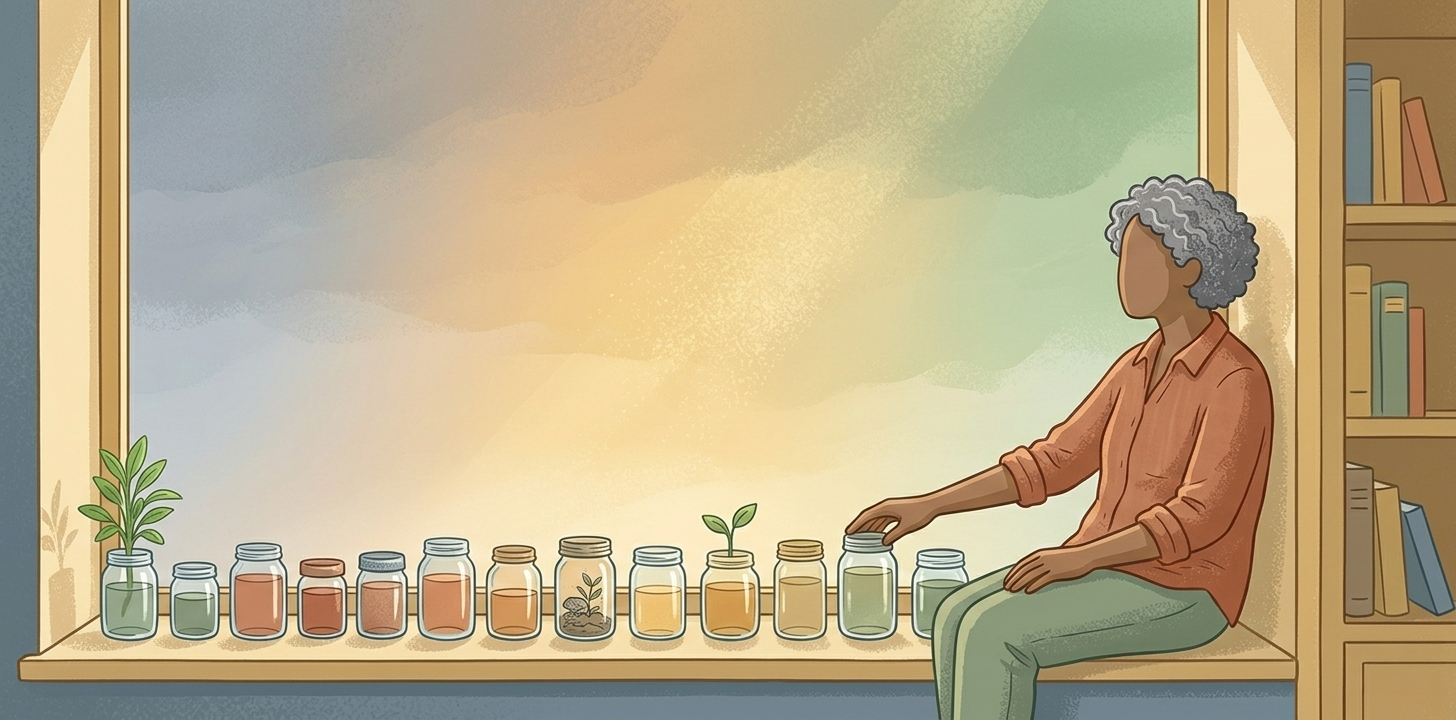
Log daily emotions alongside sleep, exercise, and habits to uncover mood patterns.
→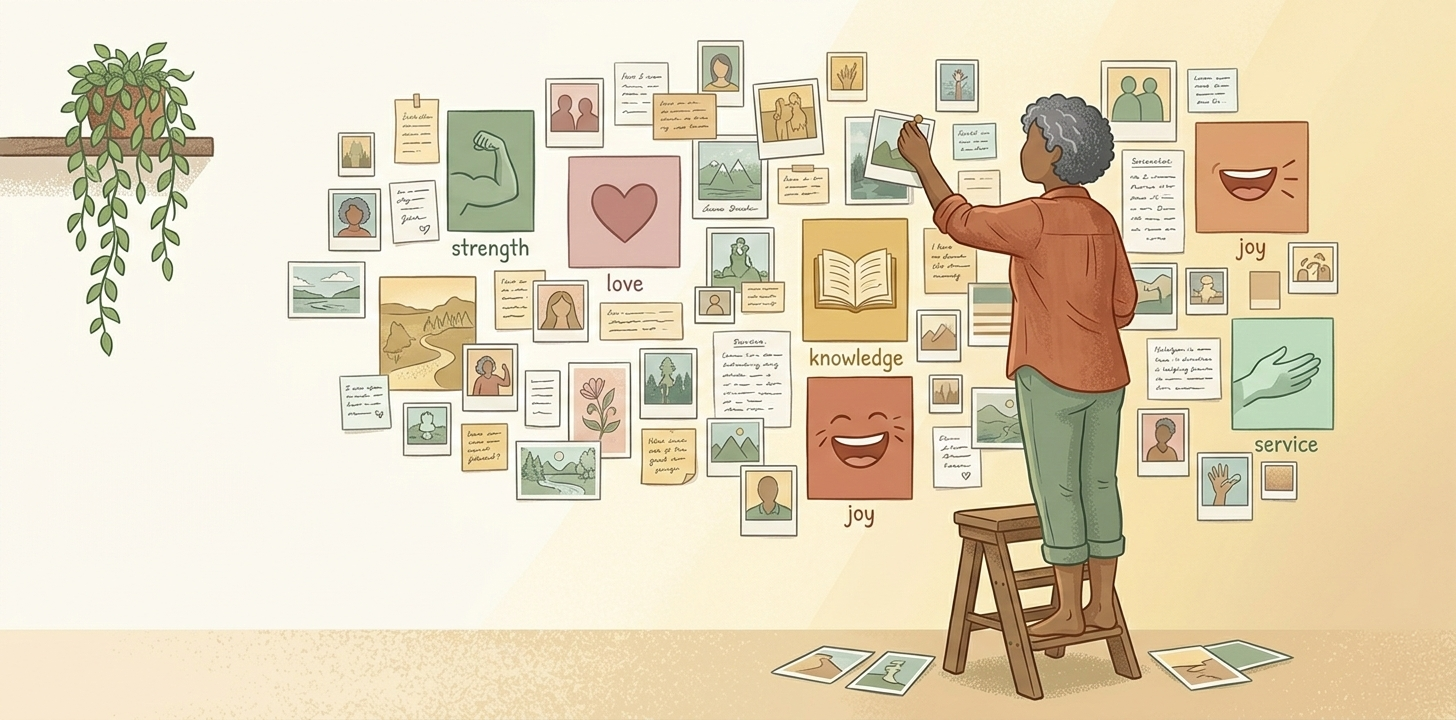
Explore your self-image, identify strengths, and challenge limiting beliefs about yourself.
→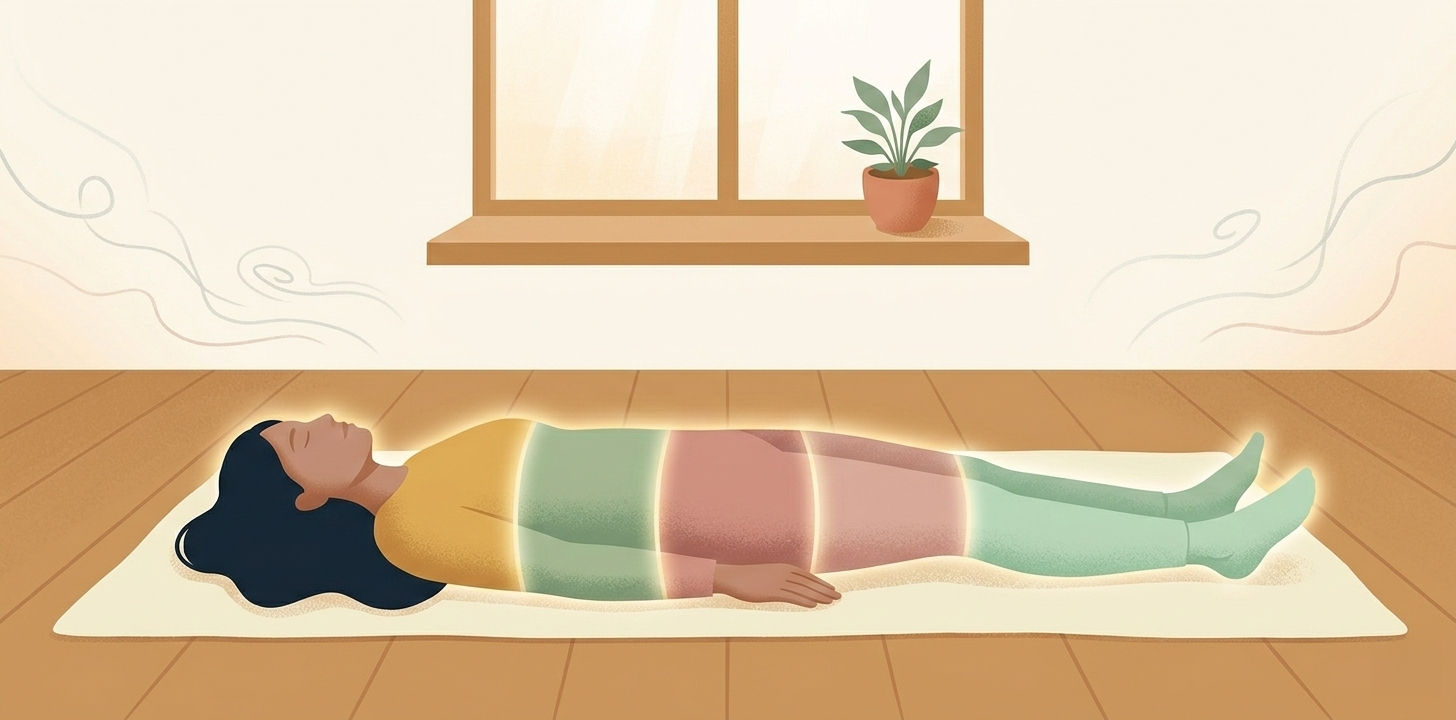
Tune into your body with a guided interactive scan that maps sensations and builds awareness.
→