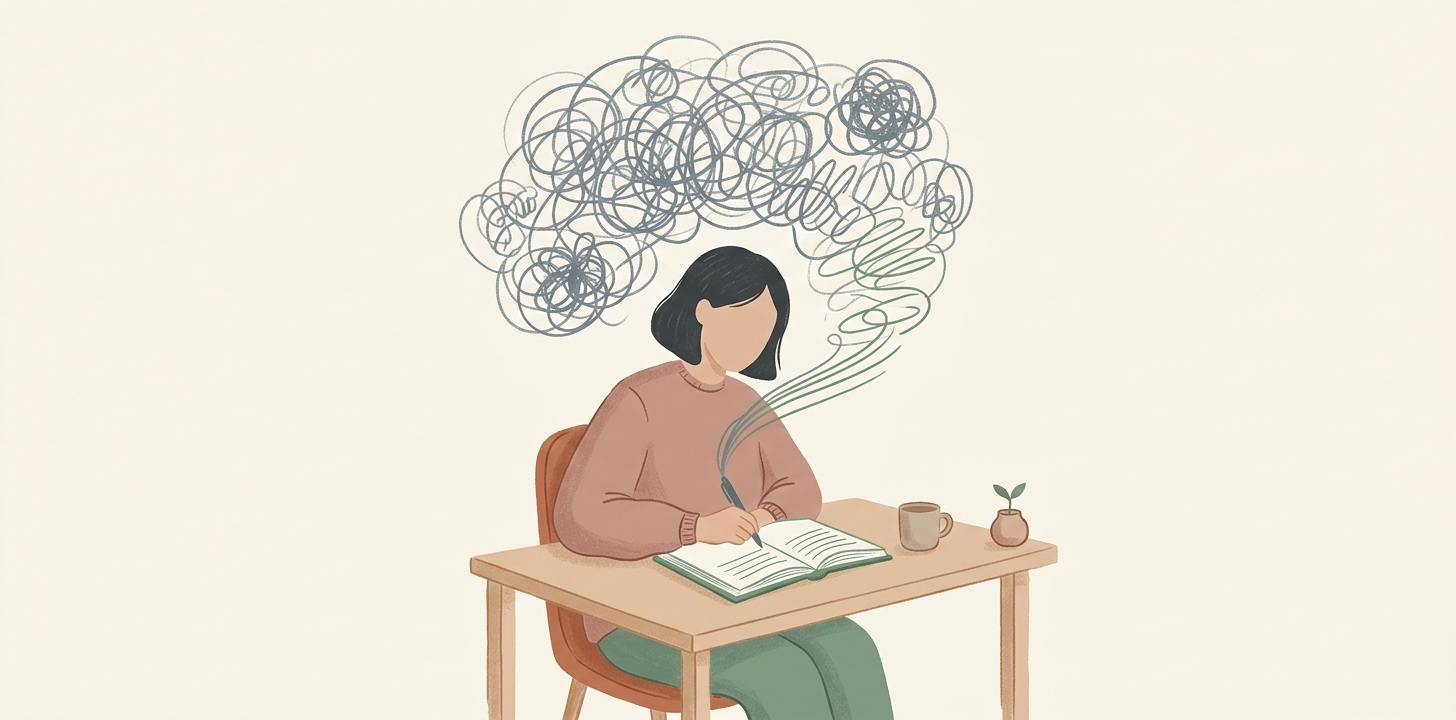
Coping Skills Worksheet
Build a personalized toolkit of healthy coping strategies for different situations and emotional states.
Build a personalized toolkit of healthy coping strategies for different situations and emotional states.
Let's start by understanding how you currently cope with difficult emotions. No judgment | just awareness.
Effective coping skills fall into different categories. A strong toolkit has strategies from multiple categories.
Different situations call for different coping skills. Plan ahead for your common difficult moments.
When you're in crisis or extreme distress, you need a quick-access plan.
A coping skill is any strategy you use to manage difficult emotions, stress, or challenging situations. Some coping skills are healthy (exercise, journaling, talking to a friend), while others provide short-term relief but cause long-term harm (substance use, avoidance, self-isolation).
Research in clinical psychology shows that people who have a diverse range of healthy coping strategies experience better mental health outcomes, lower stress levels, and greater resilience. The key word is diverse | relying on just one or two strategies leaves you vulnerable when those specific strategies aren't available or effective for a particular situation.
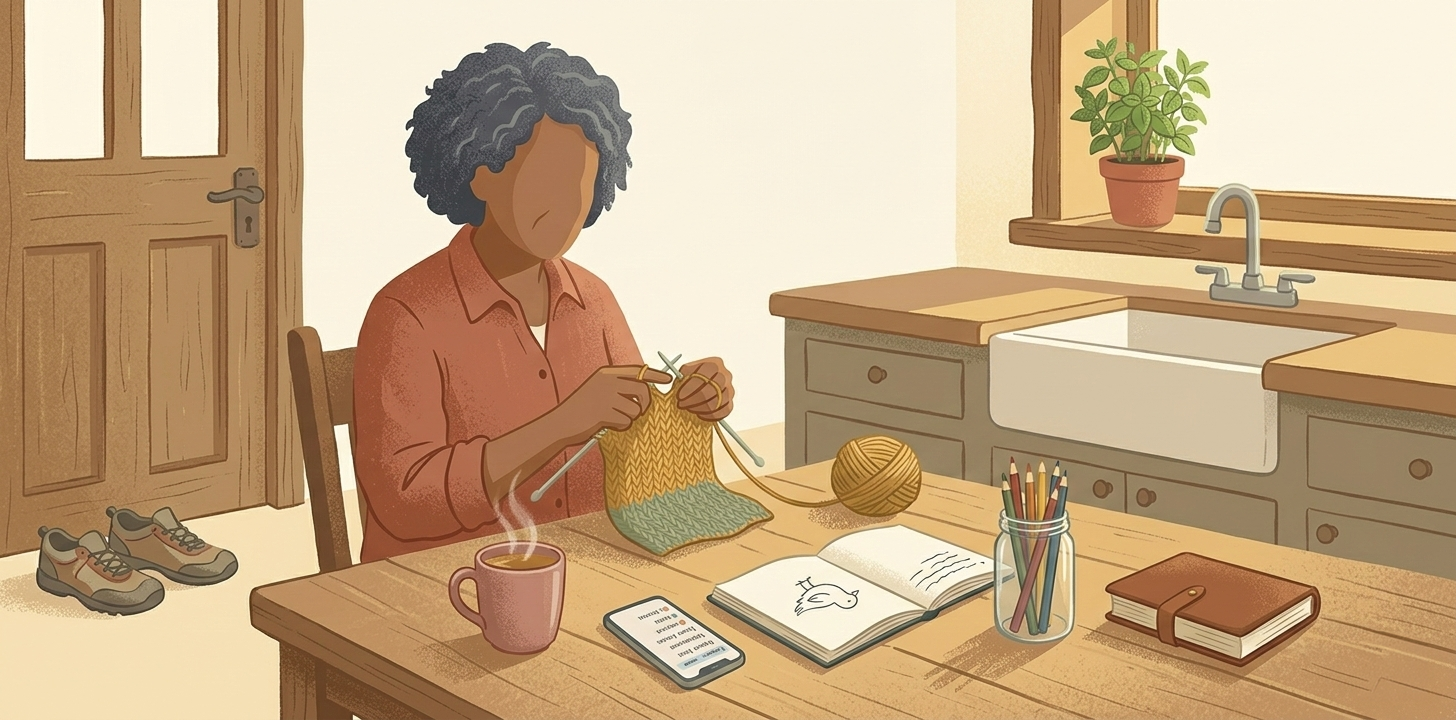
This worksheet helps you audit your current coping strategies, explore new ones across four categories (physical, mental, social, and creative), and create specific plans for common emotional situations. Think of it as building a toolkit | the more tools you have, the better prepared you are.
Audit before adding. Start by honestly assessing your current coping strategies. Which ones genuinely help? Which ones make things worse in the long run?
Explore all four categories. A well-rounded toolkit includes physical, mental, social, and creative strategies. If you notice all your strategies are in one category, deliberately explore the others.
Make your plans specific. 'I'll cope better' is vague. 'When I feel anxious, I'll do 5 deep breaths and then go for a 10-minute walk' is actionable.
Test and iterate. Not every strategy works for every person or every situation. Try different approaches and note what actually helps. Update this worksheet as you learn.
This worksheet is for educational purposes. If you're struggling with emotional regulation or are relying on harmful coping mechanisms, please seek support from a licensed mental health professional.
Healthy coping skills are strategies that help you manage stress and difficult emotions without causing additional harm. They include physical activities (exercise, deep breathing), mental strategies (journaling, reframing thoughts), social approaches (talking to a friend, therapy), and creative outlets (music, art, nature).
Coping involves actively engaging with or managing a difficult emotion or situation. Avoidance involves trying to escape or ignore it entirely. Some avoidance is healthy in the short term (taking a break from a stressful situation), but chronic avoidance tends to worsen anxiety and prevent problem-solving.
Research suggests having strategies across multiple categories (physical, mental, social, creative) is more effective than relying on just one or two. Aim to identify at least 2-3 strategies in each category that you know work for you.
If your usual coping strategies aren't providing relief, it may be a sign that you need additional support. Consider trying strategies from a different category, seeking therapy, or consulting with a mental health professional who can help you develop personalized coping plans.

Seedlit helps you practice journaling, mood tracking, and reflection | key coping skills delivered daily. Free on iOS.

Available on iOS. Android coming soon.
Build a personalized toolkit for managing anxiety triggers, symptoms, and coping strategies.
→
Audit your stressors, understand your patterns, and build a concrete weekly management plan.
→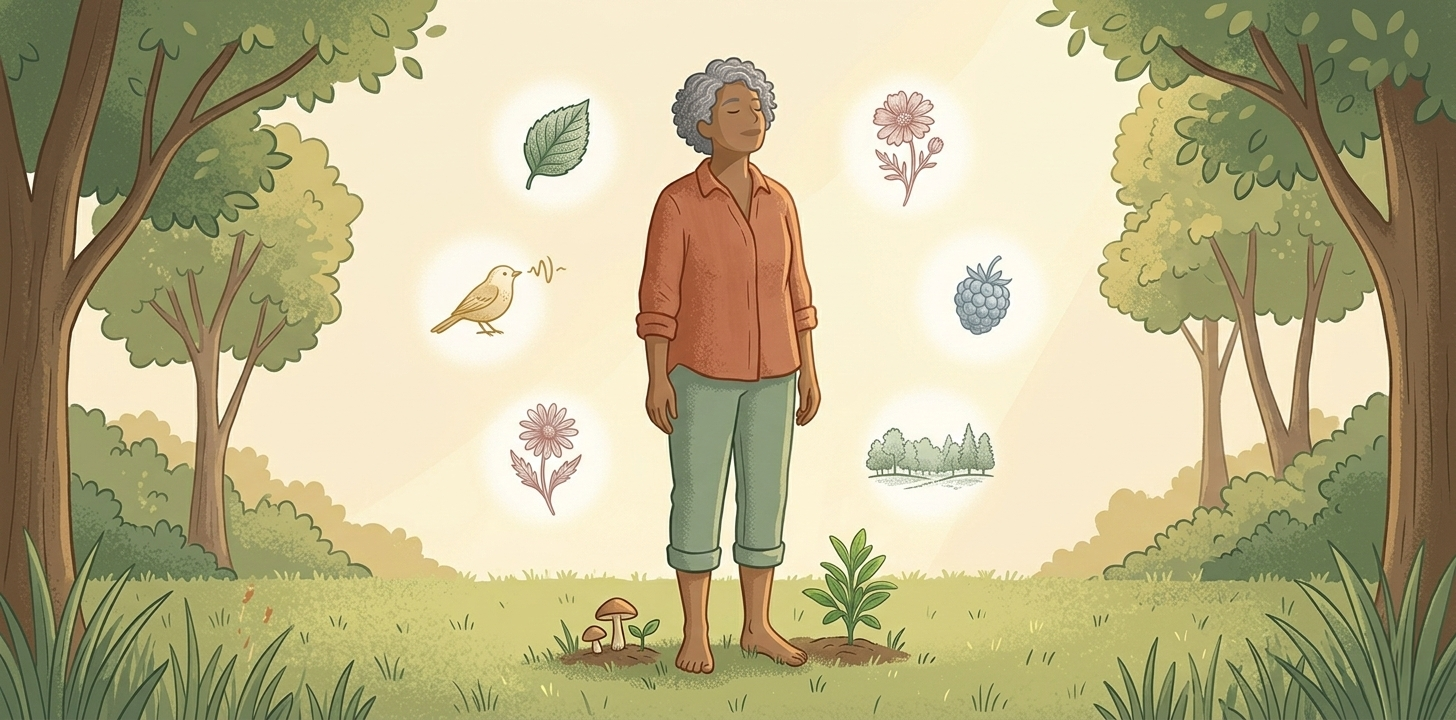
Anchor yourself in the present moment with the 5-4-3-2-1 sensory grounding exercise.
→
Track anger incidents, identify triggers, and develop healthier response patterns.
→